

Welcome to Gems at Paradise Beach Hotel, an intimate beachfront boutique hotel in Long Island, Bahamas, where guests can truly experience the beauty and tranquility of a Bahamas Out Islands vacation. This charming Long Island beach resort offers all-balcony accommodations, allowing you to immerse yourself in nature—arriving as a guest, leaving as a friend, and returning as family.






Specials




Accommodations
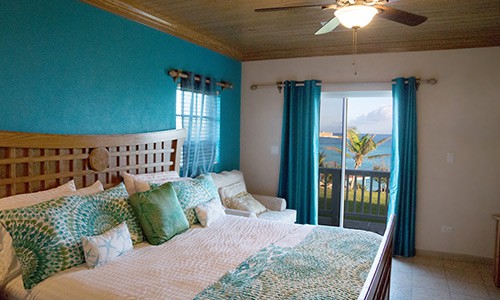
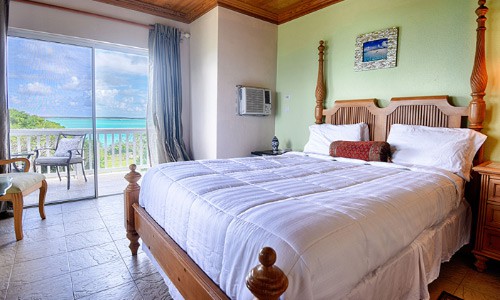
All rooms are designed for comfort and relaxation, featuring cozy bedding and stunning views of the beach, harbour, and surrounding cays of Lochabar. Each room includes windows that open to fresh sea breezes, private balconies, air conditioning, ceiling fans, and essential amenities such as irons, hair dryers, beach towels, ice buckets, coffeemakers, televisions, DVD players with complimentary movie rentals, and daily housekeeping for short stays—perfect for a relaxing Long Island vacation.
Two Bedroom Suite
The Two Bedroom Suite features one king bed in each of the two separate bedrooms, along with two private bathrooms, accommodating up to four guests. In addition to standard amenities, this suite includes a fully equipped kitchen (microwave, coffeemaker, stove/oven, refrigerator, cookware, dishware, glassware, and utensils), indoor and outdoor dining areas, and a large balcony overlooking the beach and harbour with comfortable patio furniture.
The Junior Suite offers a single king bed with a private bathroom and includes similar amenities, making it ideal for couples seeking a cozy Bahamas Out Islands vacation experience.
Balcony Rooms
These rooms feature either one king or one queen bed, a private bathroom, and a balcony with seating overlooking the beach. Guests can enjoy landscaped pathways lined with local flora, home to various bird species—perfect for those seeking a peaceful stay at a Long Island beach resort.
Double Balcony Terrace Rooms
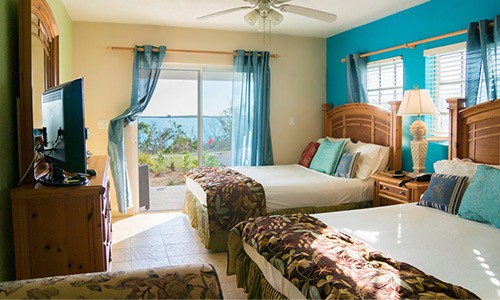
These spacious rooms include two queen beds, a private bathroom, and a patio-style balcony with seating overlooking the beach. The surrounding landscaped pathways and natural setting enhance the tranquil experience of staying at a beachfront boutique hotel in Long Island, Bahamas.
One Bedroom Condo
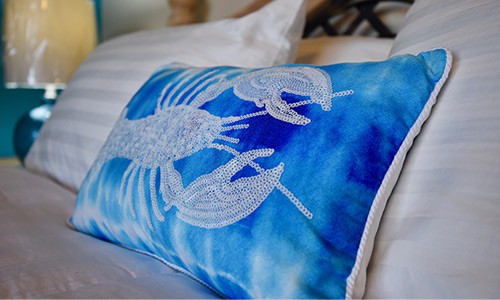
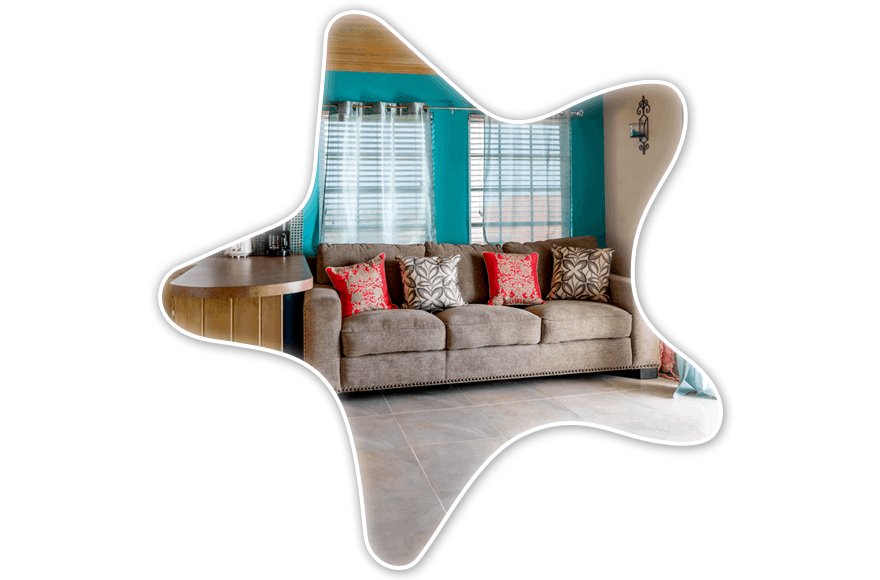
This accommodation features one queen bed with a private bathroom and can accommodate up to two guests. In addition to standard amenities, it includes a full kitchen, indoor and outdoor dining areas, a living room, and a large balcony overlooking the beach and harbour—ideal for extended stays during your Long Island vacation.
Two Bedroom Condo
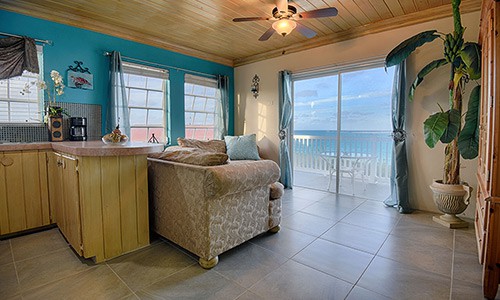
Perfect for families or small groups, this condo includes one queen bed with a private bathroom and a separate bedroom with two twin beds and an additional enclosed bathroom, accommodating up to 4–6 guests. It also features a full kitchen, dining areas, a living room with two twin sleeper love seats, and a spacious balcony overlooking the beach and harbour—making it a great option for a comfortable Bahamas Out Islands vacation.
Meal Plans
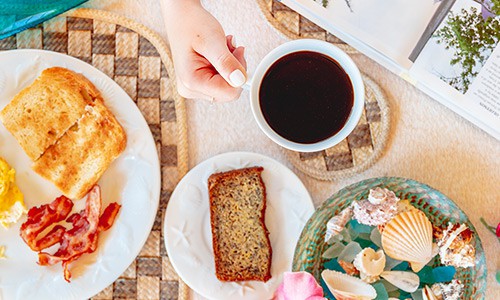
Meal plans are customized to suit guest preferences, with rates starting at $35 per person (advance booking and restrictions apply). Additionally, three restaurants are conveniently located within one mile of the property, offering a variety of dining options during your stay at this relaxing Long Island beach resort.
Enjoy a relaxing and comfortable stay at our beachfront boutique hotel in Long Island, Bahamas, with amenities designed to enhance your Long Island vacation experience:
- Complimentary WiFi in the lobby
- Satellite television in the lobby
- Free local calls
- Access to a fully equipped shared kitchen
- Board games for leisure and family fun
- Beach chairs for seaside relaxation
- Private beach area with gazebo and patio furniture
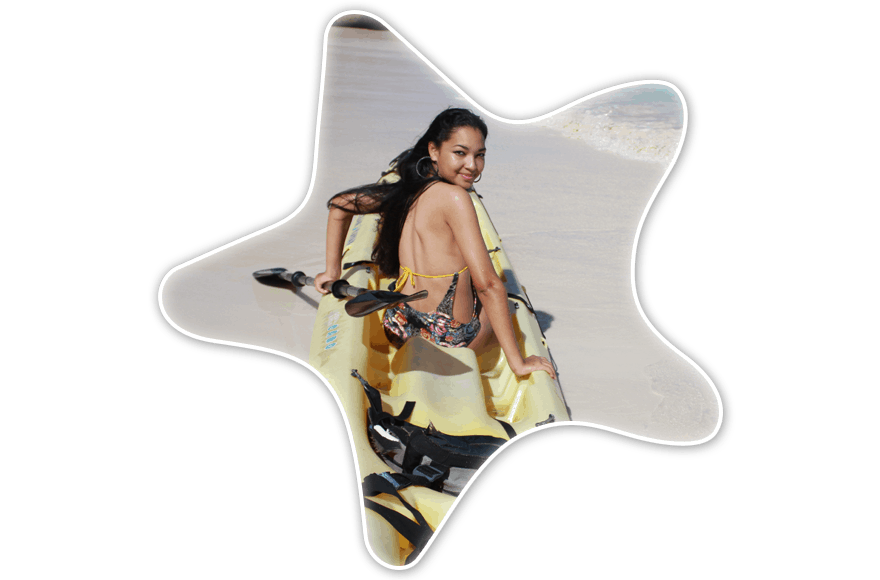
- Complimentary kayak rentals and shaded hammock area
- International calling cards and fax services available
- Assistance with car rentals and island tour reservations
Activities
Every day is a perfect day at Gems, your ideal Long Island beach resort for an unforgettable Bahamas Out Islands vacation.

- Visit the famous swimming pigs on a nearby cay
- Experience a variety of fishing adventures targeting Blue Marlin, Tuna, Wahoo, Mahi Mahi, Kingfish, and Mackerel.
- Enjoy reef fishing for Snapper and Yellowtail
- Join expert guides for bonefishing and catch Bonefish, small Tarpon, Barracuda, or Ladyfish
- Explore nearby waters by kayak, including trips to Salt Cay where you may spot Bahamian green turtles
- Discover Hamilton’s Caves, featuring passages up to 50 feet wide with ancient Lucayan Indian drawings and artifacts
- Visit the world-famous Dean’s Blue Hole, one of the deepest blue holes in the world at 663 feet, known for free-diving records
- Explore the historic site marking Christopher Columbus’ third landfall in 1492
- Relax on secluded, powdery white-sand beaches
Birdwatchers can enjoy sightings of rare and native species such as the West Indian Whistling Duck, Bahamas Yellowthroats, Bananaquits, Yellow-Crowned Night Herons, Ospreys, and occasionally Flamingos—making this a unique nature experience during your Long Island vacation.
Gallery














FAQ's
Gems at Paradise Beach Hotel is one of the top beachfront boutique hotels in Long Island, offering private beach access, ocean-view balcony rooms, and a peaceful island setting ideal for a relaxing Bahamas vacation.
Yes, the hotel offers customizable vacation packages, including accommodations, meal plans, and activity arrangements such as fishing trips and island tours.
Yes, the resort is known for its secluded location, private beach, and intimate setting, making it perfect for travelers seeking a peaceful and authentic Bahamas experience.
Absolutely. Guests can book a complete vacation including accommodations, meal plans, fishing excursions, and guided island experiences.
Guests can enjoy variety of fishing, eco-tours and adventures, bonefishing, kayaking, snorkeling, birdwatching, and exploring nearby attractions like caves and beaches.
Yes, it is ideal for fishing enthusiasts, offering variety of fishing and guided bonefishing trips with access to rich marine life including marlin, tuna, and snapper.
Yes, guests can visit famous spots like Dean’s Blue Hole, Hamilton’s Caves, secluded beaches, and nearby cays.
Yes, the hotel offers suites, condos, and balcony rooms, making it suitable for couples, families, and small groups seeking a relaxed island stay.
Guests typically fly into Nassau and then take a domestic flight to Long Island via Deadman’s Cay Airport, located about 13 miles from the hotel.
Yes, the hotel can assist with arranging airport transfers and transportation services for guests.
Yes, renting a car is recommended as attractions and beaches are spread across the island.
The hotel offers beachfront accommodations, Wi-Fi in common areas, kayaking, beach chairs, housekeeping, and concierge services for tours and activities.
Yes, all rooms feature balconies with views of the beach, harbor, or surrounding cays, providing a true oceanfront experience.
Yes, some suites and condos include fully equipped kitchens with appliances, cookware, and dining areas, ideal for extended stays.
Booking directly ensures the best rates, personalized service, and access to exclusive offers and customized vacation packages.
Packages may include accommodations, meal plans, guided fishing trips, and access to complimentary amenities like kayaks and beach equipment.
It is recommended to book early, especially during peak travel seasons, to secure preferred room types and availability.
The resort stands out for its private beach, boutique size, personalized hospitality, and combination of fishing, eco-tourism, and authentic Bahamian experiences.
Long Island is a year-round destination, with peak travel between December and April offering the most favorable weather conditions.
Yes, Long Island is one of the most unspoiled destinations in the Bahamas, known for its quiet beaches, natural attractions, and low tourist crowds—perfect for a relaxing getaway.
Testimonials

Contact US

Address
Gems at Paradise Beach Hotel
Clarence Town, Long Island Bahamas

Phone
1-242-337-3016

E-mail
gemsatparadise@batelnet.bs
For direct booking call GEMS at 1-242-337-3016.
For Packages that include hotel and air call
BahamaGo Toll free 1-877-284-6956 (USA/Canada) or 1-242-422-3131 (Bahamas) or Majestic Holidays Toll free 1-866-689-5505
(USA/Canada) or 1-242-323-1410.
Getting Here
Reaching this peaceful Long Island beach resort is convenient, with two nearby airports serving the island:
- Deadman’s Cay Airport (LGI): Located approximately 13 miles north of Gems at Paradise
- Stella Maris Airport: Located approximately 60 miles north
There are multiple flight options available from Nassau, Bahamas, as well as select U.S. cities to Long Island. Due to the distance between attractions and points of interest, renting a car is strongly recommended to fully enjoy your Bahamas Out Islands vacation.

Send Us A Message


© Copyright 2018 Gems At Paradise Private Beach Resort | Privacy Policy | Powered by